

In Boxing’s Infinity War, Why Are the Bravest Warriors the Biggest Cowards?
Boxing has never lacked courage inside the ropes. Fighters step into danger for a living. They trade punches, risk their health, and chase glory. Yet outside the ring, a different story unfolds. The same warriors who show unmatched bravery often fall silent when their rights face real threats.
That contradiction defines boxing’s current moment.
At first glance, the sport looks stronger than ever. Saudi Arabia has poured billions into major events. Massive purses have returned. Super fights now happen more often. However, beneath the surface, a quiet power struggle is reshaping everything.
Recent developments reveal a deeper shift. Reports indicate Saudi Arabia’s Public Investment Fund may scale back ventures like LIV Golf. This move reflects a broader strategic pivot rather than failure. Leadership is reassessing priorities amid geopolitical tension. Crown Prince Mohammed bin Salman appears focused on long-term efficiency over rapid expansion.
That change matters for boxing.
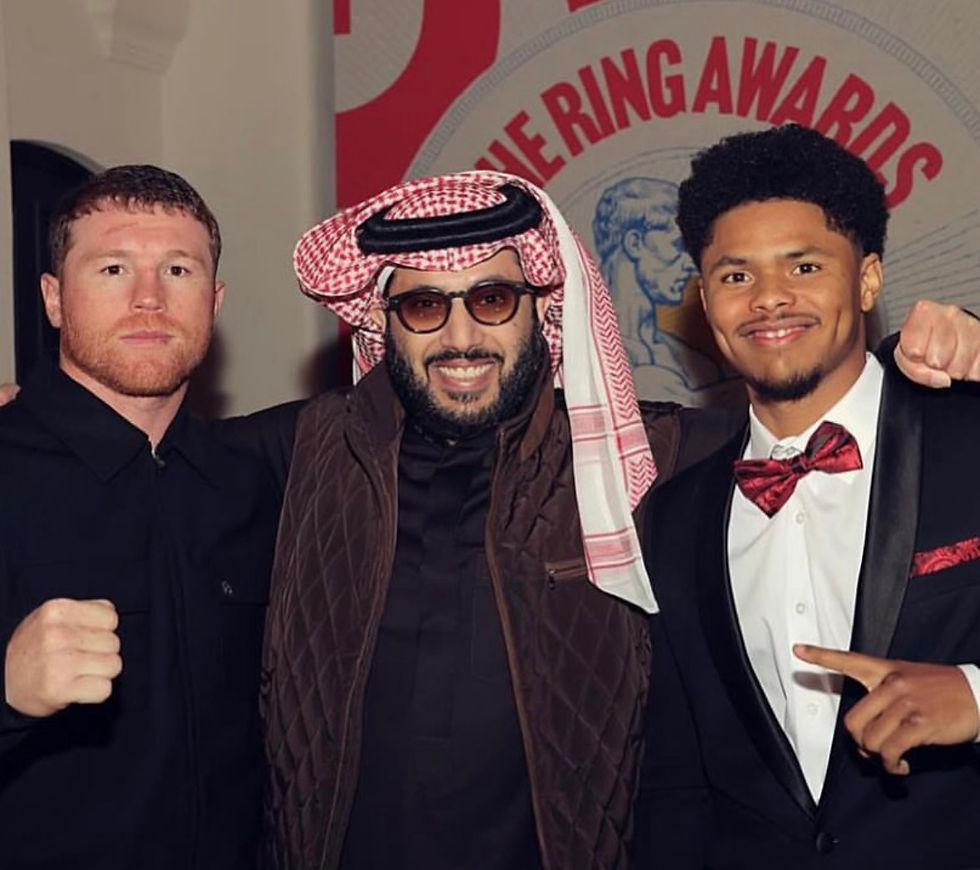
Saudi investment helped revive the sport’s biggest stage. Events featuring Anthony Joshua, Oleksandr Usyk, and Tyson Fury drew global attention. Turki Alalshikh emerged as a central figure in that rise. His passion for boxing fueled ambitious deals and historic cards.

Still, even that enthusiasm now faces limits. Industry insiders note a growing emphasis on commercial viability. Saudi-backed events must now justify their value. The era of limitless spending may be ending.
Meanwhile, another force is rising.
TKO Group Holdings has entered boxing with bold ambition. Backed by deep resources and led by Dana White, the company promises a UFC-style structure. Their plan includes regular events, centralized control, and new championship belts.
On paper, the idea sounds appealing. Boxing has long struggled with fragmentation. Too many sanctioning bodies dilute the sport. Fans often complain about confusion and missed matchups.
Yet the solution raises serious concerns.
To execute its vision, TKO has supported changes to the Muhammad Ali Act. This law protects fighters from exploitation. It separates promoters from sanctioning bodies and ensures transparency. The proposed amendments would weaken those protections.

Critics argue the changes would reshape boxing into a closed system. A new entity could control rankings, titles, and matchmaking. That model mirrors the UFC structure. However, it also concentrates power in ways boxing has historically resisted.
The debate has turned fierce.
Promoter Tom Brown shocked many by supporting the proposed legislation. His endorsement triggered backlash across the sport. Leaders from major sanctioning bodies voiced concern. Some even questioned his motives and future alliances.
Opposition has come from unexpected places as well.
Oscar De La Hoya testified against the bill in the U.S. Senate. He warned that the changes could harm fighters. Nico Ali Walsh echoed that sentiment. He argued the law would betray the legacy of Muhammad Ali. According to him, the act exists to prevent monopolies, not enable them.

Even active fighters have spoken out.
David Benavidez urged boxers to understand the protections at stake. He emphasized that losing those safeguards would create an unfair system. His message was clear. Fighters must educate themselves before it is too late.
Despite these warnings, most fighters remain silent.
That silence speaks volumes.
Many boxers fear losing opportunities. Saudi-backed events offer life-changing paydays. Promoters control access to those fights. Speaking out could mean getting sidelined. For fighters with short careers, the risk feels too great.
As a result, short-term thinking dominates.
Fighters chase immediate rewards instead of long-term security. They avoid conflict with powerful figures. They stay quiet while decisions reshape their future. In doing so, they surrender influence over the sport they define.

The irony is striking.
Boxers accept physical danger without hesitation. They face opponents in brutal conditions. Yet they hesitate to challenge business structures that could harm them. Courage fades when money and power enter the equation.
At the same time, promoters and executives push forward.
TKO continues building its boxing venture. It has secured infrastructure, media relationships, and funding. However, one critical piece remains missing. Fighters are not signing in large numbers.
Reports suggest the proposed pay structure falls below market expectations. Elite fighters can earn far more elsewhere. Even mid-level boxers see better opportunities with existing promoters. That gap creates skepticism.
Some fighters have already declined offers.
They worry about burning bridges with established promoters. They question the value of new titles. They doubt the long-term stability of the venture. For now, caution outweighs curiosity.
Still, TKO’s strategy does not rely on immediate success.
The company appears willing to play the long game. Legislative changes could tilt the landscape in its favor. A unified system might eventually attract talent. Over time, control could replace competition.
That possibility alarms many observers.
Critics warn of a monopsony. In such a system, one entity controls demand for fighters. This structure could suppress wages and limit freedom. UFC fighters have raised similar concerns in the past. Boxing has avoided that fate, largely due to its fragmented nature.
Ironically, that fragmentation may be its greatest strength.
Sanctioning bodies, rival promoters, and independent rankings create chaos. However, they also prevent total control. Fighters can negotiate across platforms. They retain leverage in a competitive market.
The proposed changes threaten that balance.
Even regulatory bodies now face scrutiny. Leadership shifts within the Association of Boxing Commissions have raised questions. Some officials support the new legislation. Others remain cautious. The divide reflects broader uncertainty within the sport.
Meanwhile, political momentum builds.
Senator Ted Cruz has signaled plans to introduce a Senate version of the bill. While details remain unclear, many expect similar provisions. Observers believe passage is likely in some form. The debate now centers on how much protection will remain.
That uncertainty leaves boxing at a crossroads.
On one side stands a vision of order and consolidation. On the other stands a messy but open system. Each path carries risks and rewards. However, one factor remains constant. Fighters will bear the consequences.

Yet they remain largely absent from the fight.
Only a handful have spoken publicly. Most stay focused on their next payday. Their silence allows others to shape the future. In doing so, they risk losing control over their own careers.
This is boxing’s true infinity war.
It is not fought in arenas or under bright lights. Instead, it unfolds in boardrooms and legislative halls. The stakes extend beyond titles and purses. They touch the core of what the sport represents.
Courage, after all, should not end at the ropes.
Fighters have always defined boxing’s identity. Their sacrifices built its legacy. Their voices should guide its future. However, fear of losing opportunity has muted that voice.
That is the tragedy.
The bravest warriors in sports hesitate when it matters most. They endure punishment in the ring but avoid conflict outside it. In doing so, they risk becoming spectators in their own industry.
Boxing does not need saving. It needs awareness.
It needs fighters willing to think beyond the next check. It needs leaders who prioritize fairness over control. Most importantly, it needs courage where it matters most.
Until then, the contradiction will remain.
The sport’s fiercest competitors will continue to fight everyone but the system itself.
Subscribe to the Brunch Boxing website, Twitter and Podcast for more updates and in-depth coverage of the world of boxing in and out of the ring.
Brunch Boxing Support Links:


Comments