

Brunch Boxing Remembers: Henry Hank
- Matthew Brown
- Feb 4
- 3 min read
02/05/2026

Henry Hank was never a champion, never a safe bet, but most importantly, he was never boring. He lived on the thin edge between brilliance and frustration, a fighter who gave boxing everything he had, even when it gave him little back. That alone earns him remembrance and reverence.
Born Joseph Harrison on February 9, 1935, in Greenville, Mississippi, Hank is regarded as one of the forgotten action stars in boxing history. After moving with his parents to Detroit, Henry picked up boxing. At age 18 he turned professional.
Hank made his professional debut against Del Monroe, stopping him in the first round before a raucous Detroit crowd. He followed it up with head-turning performances against Earl Battle and Bob Wilson. Early setbacks against more seasoned fighters taught him lessons, but by the end of 1954, Hank had already beaten respected names and stopped men who had never been stopped before.
1958 and 1959 marked Hank’s rise. He went on a brutal knockout streak, avenging losses and flattening opponents across the Midwest and South. In New Orleans he became a local attraction, especially after stopping Charley Joseph, the first man ever to halt him. He thrilled crowds with last round knockouts over Willie Vaughn and Neal Rivers, then pushed into the world ratings.
By late 1959 Hank was ranked among the top middleweights in the world. He beat Holly Mims in a rematch, outslugged George Benton, and shocked light heavyweight contender Jesse Bowdry with a knockout, then repeated the feat on national television in Chicago. He followed that by stopping Sixto Rodriguez in front of a national audience, earning praise for his reckless courage and raw force.
At his peak in the late 1950s and early 1960s, he was regarded as one of the hardest punchers in boxing, pound for pound. He stalked opponents with his right hand cocked and his left dangling low, creating a palpable sense of tension the moment he stepped through the ropes. He fought with swagger and menace, fully aware of his power.
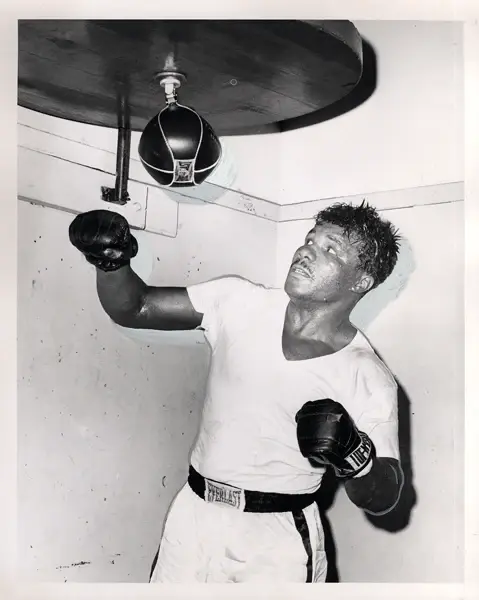
That power was both his calling card and his curse. Hank was inconsistent. On good nights he was destructive and overwhelming. On bad nights he coasted, played to the crowd, and let sharper boxers steal rounds. He often gave away early frames, trusting his fists to erase deficits later. Sometimes they did. Sometimes they did not.
The pattern of inconsistency dogged Henry for the entirety of his career. He could knock out dangerous opponents early, then lose decisions he was favored to win. Losses to Virgil Akins, Leffie Walker, and others showed his vulnerability to experience and discipline. Still, his talent kept him moving forward.
At one point, Hank stood on the edge of a title shot. He clamored for champions Paul Pender and Gene Fullmer, but neither showed interest. Forced to stay busy, he stumbled against clever boxers like Hank Casey, whose movement and timing exposed Hank’s flaws. Those losses stalled his momentum and began a cycle of rise and fall that defined the rest of his career.
Even so, Hank kept producing signature moments. He crushed Victor Zalazar in Detroit with a left uppercut combination that left the crowd stunned. He reentered the ratings after beating Joey Giardello in Detroit, then went to war with him again in Philadelphia in a savage bout that became The Ring magazine’s fight of the year. He beat Franz Szuzina and Chic Calderwood, climbed back into the top five, then let complacency undo him again.
A move to light heavyweight extended his career and his challenges. He fought Dick Tiger, Harold Johnson, Mauro Mina, Bob Foster, and Jimmy Ellis. Against Foster he showed extraordinary toughness, surviving twelve rounds with a closed eye.
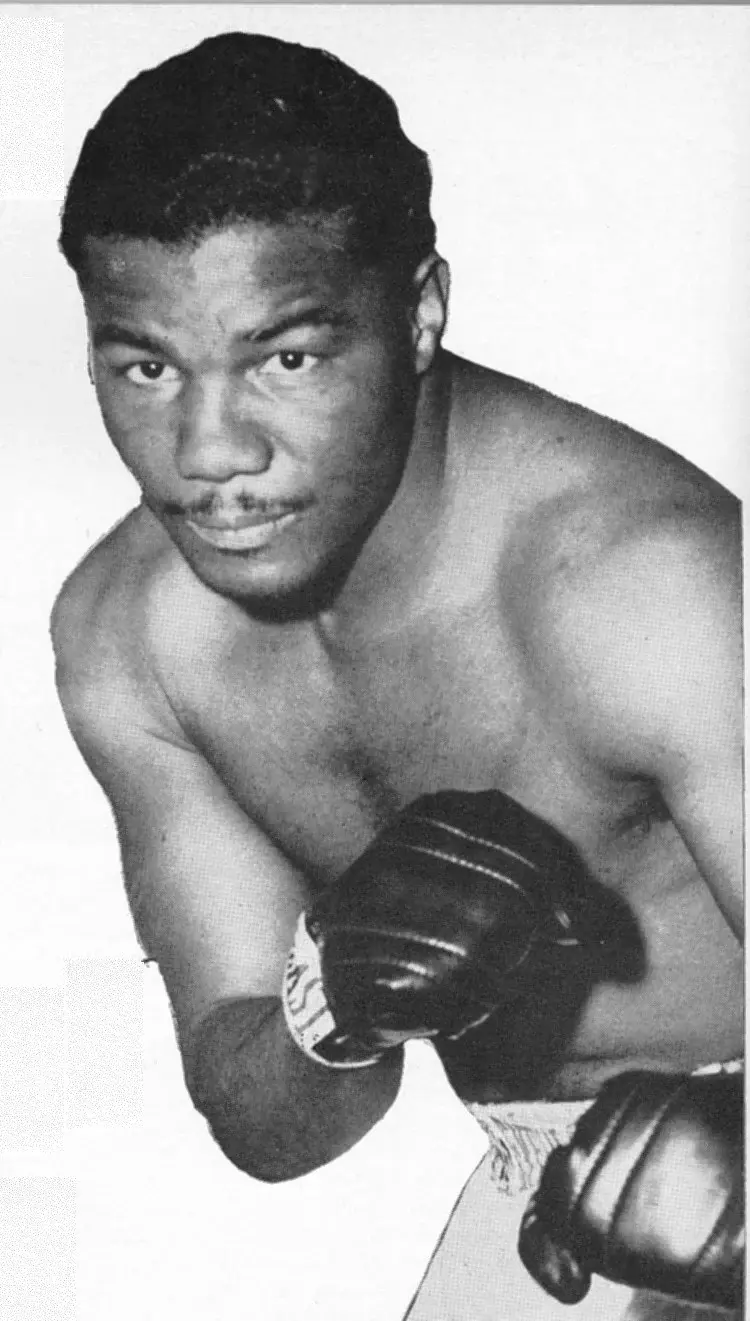
Hank finished with a record of 64 wins, 30 losses, and 4 draws, scoring 40 knockouts. His earlier stoppage loss to Foster was the only time he failed to finish a fight. Over nineteen years he faced five International Boxing Hall of Famers and spent nearly five full years ranked in the world across two divisions.
After embracing Islam in 1971, Henry legally changed his name to Jusuf Salaam. Henry Hank died on July 2, 2004, in Detroit from complications of Alzheimer’s disease at age 69.
Boxing history often celebrates its champions and legends, but it just as often forgets the men who carried arenas on their backs without ever holding a crown. Henry Hank belongs to that group. A feared puncher, a mercurial contender, and a fighter who could look unbeatable one night and ordinary the next, Hank left behind a career too rugged and too rich to fade quietly.
Subscribe to the Brunch Boxing website, Twitter and Podcast for more updates and in-depth coverage of the world of boxing in and out of the ring.
Brunch Boxing Support Links:


Comments